Analysis | Horn post
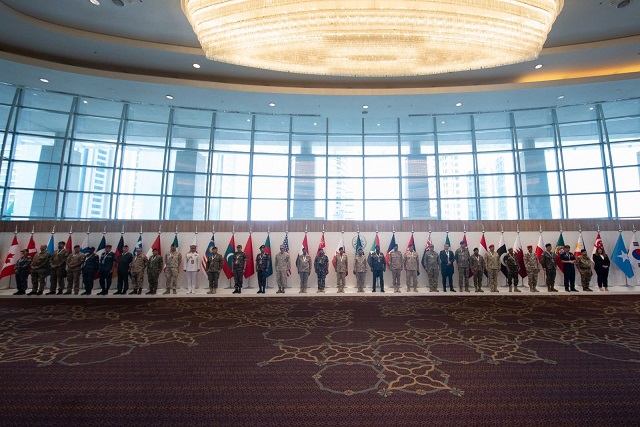
Saudi Arabia’s proposal to establish a multinational maritime defense coalition may prove to be one of the most consequential security initiatives in the Red Sea since the rise in attacks on commercial shipping began disrupting global trade.
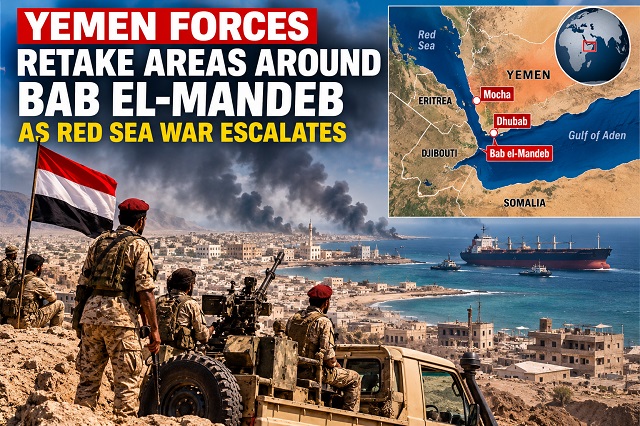
If implemented, the initiative would reshape the security landscape stretching from the Suez Canal to the Bab el-Mandeb Strait and the Gulf of Aden, placing the Horn of Africa at the center of a new regional security architecture.
Unlike previous multinational naval operations led primarily by Western countries, Saudi Arabia’s proposal would position Riyadh as the founding nation and headquarters of a permanent multinational maritime alliance, signaling its ambition to become the leading security actor in the Red Sea.
Why the Red Sea Matters
The Red Sea is one of the world’s most strategically important maritime corridors.
Approximately 12–15% of global trade and a significant portion of international oil and liquefied natural gas (LNG) exports transit through the Bab el-Mandeb Strait before reaching the Suez Canal.
Every disruption immediately affects:
- Global shipping costs
- Marine insurance premiums
- Energy prices
- International supply chains
- Food imports into Africa and the Middle East
For countries like Somaliland, Djibouti, Ethiopia and Somalia, Red Sea stability is directly linked to economic growth.
Somaliland Could Benefit Indirectly
Although Somaliland is not internationally recognized, developments in Red Sea security directly affect its economy.
Berbera Port
A safer maritime environment increases confidence among:
- International shipping companies
- Logistics operators
- Global investors
- Insurance firms
That could strengthen Berbera Port’s competitiveness as an alternative gateway for Ethiopia and East Africa.
Berbera Corridor
Improved maritime security would also increase the strategic importance of the Berbera Corridor connecting Somaliland with Ethiopia.
As Ethiopia seeks diversified access to international markets, secure shipping lanes become just as important as road and rail infrastructure.
Djibouti Faces New Strategic Competition
Djibouti remains the region’s dominant logistics hub.
It hosts military bases belonging to:
- United States
- China
- France
- Japan
- Italy
A Saudi-led maritime alliance could introduce another major security actor into the regional balance, potentially increasing both cooperation and competition among existing partners.
Ethiopia’s Interests
Although Ethiopia has no coastline, more than 90% of its imports and exports depend on maritime access.
Any initiative improving security in the Red Sea lowers transportation risks and strengthens Ethiopia’s trade resilience.
This also explains Addis Ababa’s continuing interest in diversifying port access beyond Djibouti.
Somalia’s Security Role
Somalia controls one of Africa’s longest coastlines.
Greater international naval cooperation could improve:
- Counter-piracy operations
- Intelligence sharing
- Maritime law enforcement
- Counterterrorism coordination
However, Somalia will likely seek assurances that new regional security initiatives complement—not replace—existing international partnerships.
A New Balance of Power
The proposal also reflects growing geopolitical competition.
Several countries already have major strategic interests in the region.
United States
- Maritime security
- Counterterrorism
- Freedom of navigation
China
- Belt and Road Initiative
- Djibouti naval base
- Trade protection
United Arab Emirates
- Port investments
- Logistics infrastructure
- Berbera Port partnership
Turkey
- Military cooperation with Somalia
Iran
- Regional influence in the Red Sea
Russia
- Expanding naval diplomacy
Saudi Arabia’s proposal could become another pillar in this increasingly competitive environment.
Challenges Ahead
Building a coalition involving dozens of countries will require agreement on:
- Command structure
- Rules of engagement
- Intelligence sharing
- Funding
- Legal authorities
- Coordination with existing naval missions
Political differences among participating countries may also complicate implementation.
Prepared by:
Horn Post Staff
HARGEISA, Somaliland
Abdikarim Saed Salah
Abdikarim Saed Salah is a multimedia journalist, editor, and geopolitical analyst with more than 15 years of professional experience in broadcast journalism, digital media, and international reporting, specializing in the Horn of Africa, Red Sea geopolitics, and regional security affairs. He is the Founder and Editor of Horn Post, an independent digital news platform focused on politics, diplomacy, governance, security, and strategic developments across the Horn of Africa and East Africa. Based in Hargeisa, Somaliland, Abdikarim currently works as a TV Presenter and Producer at Horn Cable TV, covering elections, foreign policy, diplomacy, conflict dynamics, and international affairs shaping the region.