




WAJIR, Kenya (Horn post)— Kenyan President William Ruto marked this year’s Madaraka Day celebrations in Wajir County, where he issued a public apology for decades of marginalization and human rights abuses suffered by residents of the country’s Northeastern region.
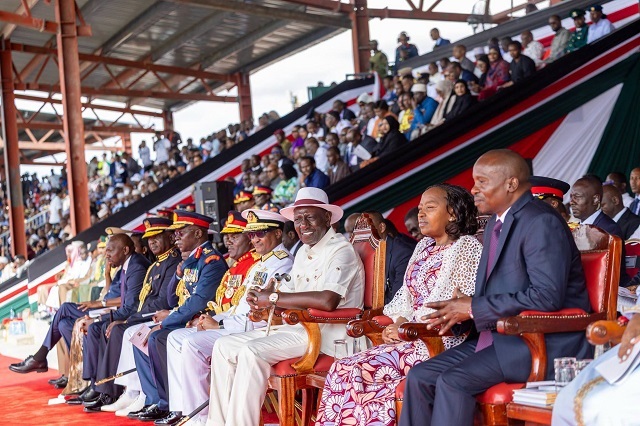
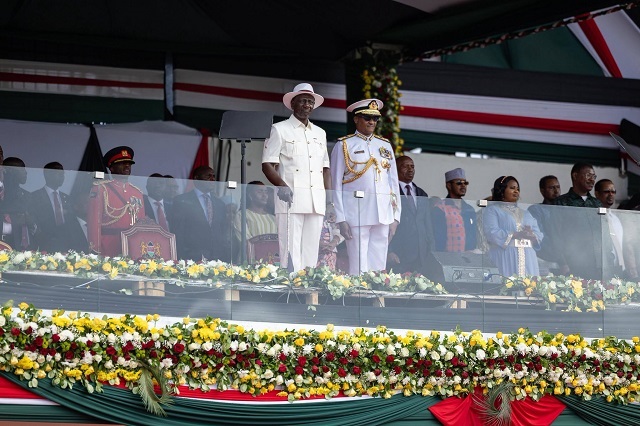
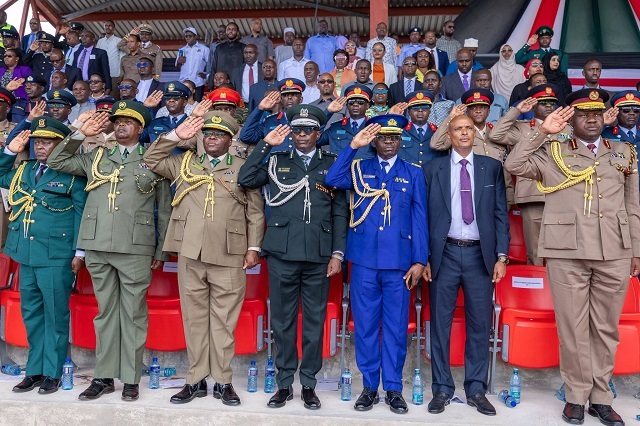
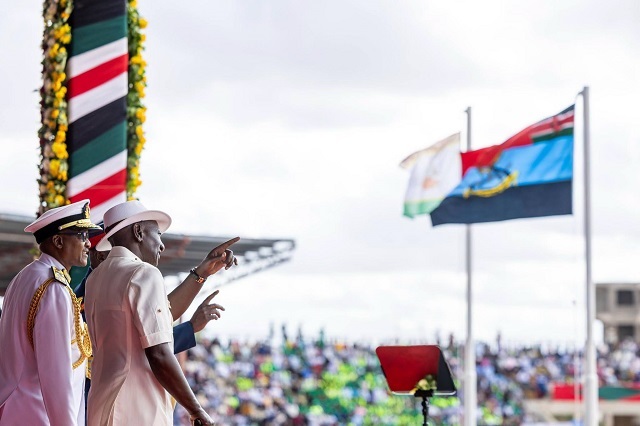
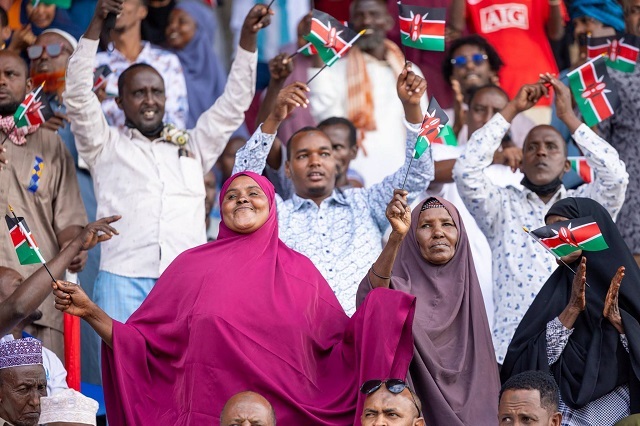
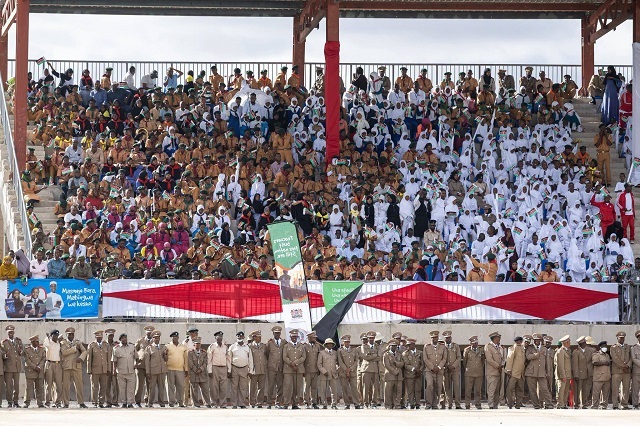
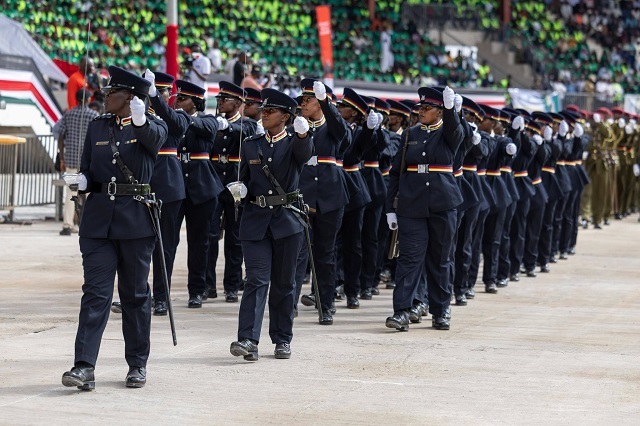
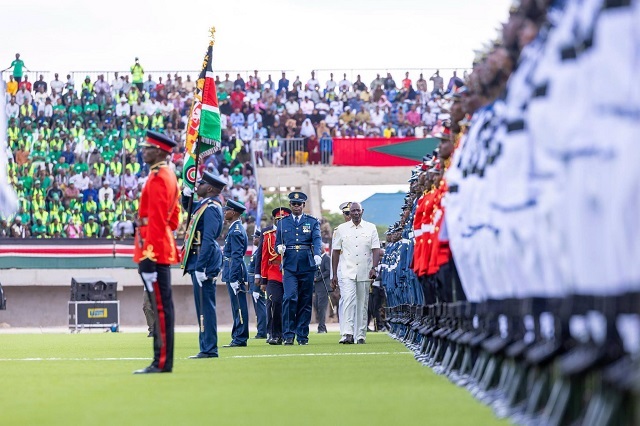
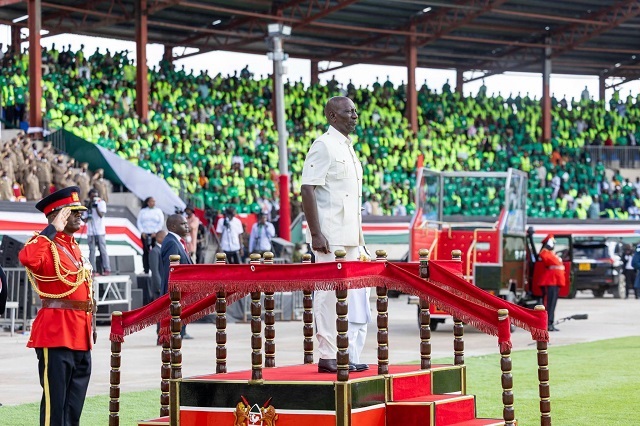
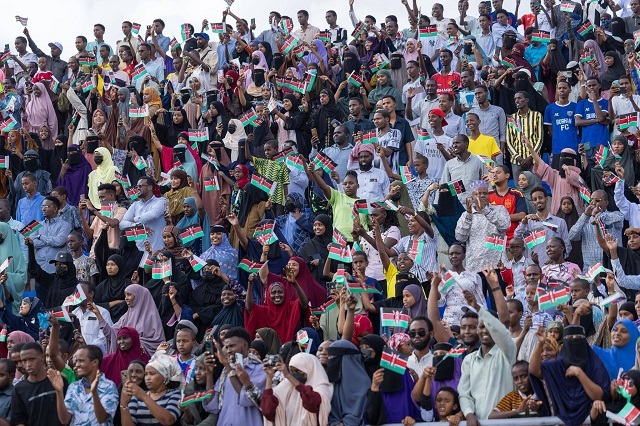
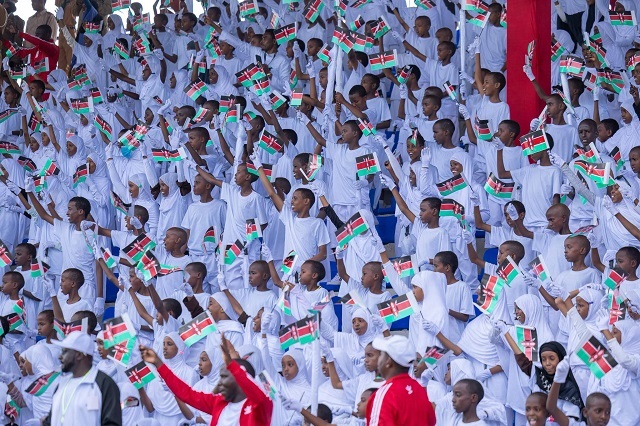
Thousands of residents gathered in Wajir to commemorate Madaraka Day, which marks Kenya’s attainment of self-rule in 1963 before gaining full independence later that year. The national event featured military parades, aerial displays by the Kenya Defense Forces, and participation from senior government officials.
Speaking during the celebrations, Ruto acknowledged the historical injustices faced by communities in Northeastern Kenya, including discrimination, exclusion from development programs and security-related abuses under previous administrations.
“We recognize the pain and challenges that the people of this region have endured over the years,” Ruto said, pledging a new era of inclusion and development.
The president announced several major projects aimed at transforming the region, including the construction of a new public university, expansion of healthcare services and improvements to educational institutions, particularly Islamic religious schools.
In a landmark policy announcement, Ruto said the Kenyan government would formally recognize Quranic schools (Madrasas) as part of the country’s national education system. He also announced that Quran teachers would begin receiving government salaries, a move expected to benefit thousands of educators and students across Kenya.
The event also highlighted growing ties between the government and local communities. Residents presented Ruto with a gift of 100 camels, a traditional symbol of respect and appreciation among pastoralist communities in the region.
Wajir, located in Kenya’s Northeastern region, holds significant historical importance. The county is remembered for the 1984 Wagalla Massacre, one of the darkest episodes in Kenya’s history, during which hundreds of ethnic Somalis were killed by state security forces.
For decades, residents of Northeastern Kenya have faced challenges accessing government services, including passports and national identification documents. However, recent government initiatives have been viewed as efforts to address long-standing grievances and accelerate development in the region.
The decision to hold the national Madaraka Day celebrations in Wajir has been widely interpreted as a symbolic gesture aimed at promoting national unity and recognizing the strategic importance of Kenya’s historically underserved northeastern counties.
Pictures:







Prepared by:
Horn post staff