Analysis from Horn post
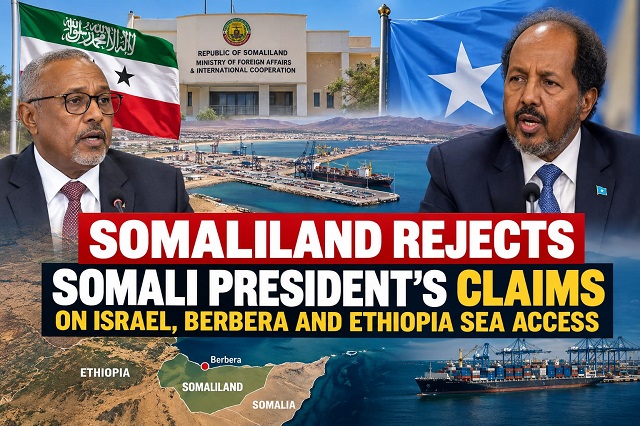
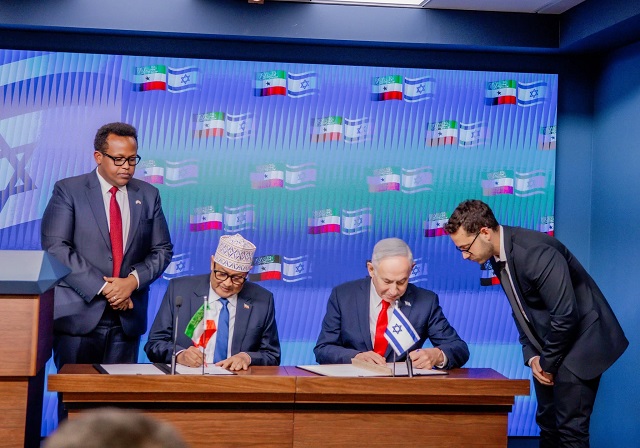
JERUSALEM, Israel (Horn post) The reported Strategic Cooperation Declaration signed between Somaliland and Israel represents far more than a bilateral diplomatic agreement. If fully implemented, it could become one of the most consequential geopolitical developments in the Horn of Africa in recent years, with ripple effects across the Red Sea, Gulf region, East Africa, and Middle East power competition.
-
Diplomatic Breakthrough for Somaliland: The Recognition Multiplier
For over three decades, Somaliland has pursued international recognition after declaring restored independence in 1991.
If Israel’s recognition and formal strategic declaration are consolidated, Somaliland gains its first major diplomatic breakthrough from a globally influential state.
This creates what diplomats call a recognition multiplier effect:
Other countries may reassess engagement with Somaliland.
Informal relations could shift toward formal diplomatic channels.
Somaliland’s claim for sovereignty gains stronger international legitimacy.
Why this matters:
Recognition from a state like Israel carries symbolic weight far beyond bilateral relations because Israel has extensive diplomatic influence in Washington, parts of Europe, and technology-driven global networks.
Strategic significance: Somaliland moves from diplomatic isolation toward partial normalization.
-
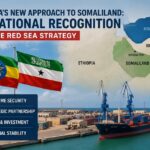
Israel’s Strategic Interest: Red Sea Security Architecture
Israel has long considered the Red Sea corridor a national security priority.
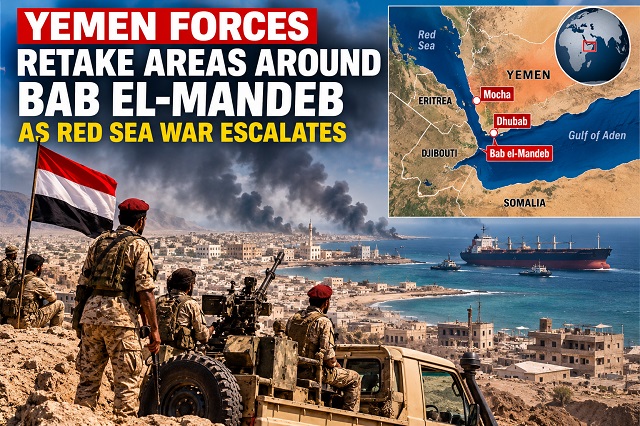
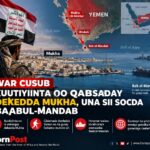
Somaliland controls territory near one of the world’s most critical maritime chokepoints connecting:
The Red Sea
The Gulf of Aden
The Suez Canal
Indian Ocean shipping lanes
Israel’s likely strategic interests include:
Monitoring maritime security threats
Preventing weapons trafficking routes
Countering hostile regional actors near Red Sea routes
Expanding intelligence cooperation in East Africa
Key geographic factors:
Port of Berbera sits along shipping lanes vital to global trade.
This gives Israel potential strategic depth in East African maritime security planning.
-
Security Cooperation: Intelligence and Defense Dimension
One of the most important but least publicly discussed aspects is likely security cooperation.
Potential areas include:
Intelligence sharing
Counterterrorism cooperation
Border surveillance systems
Cybersecurity infrastructure
Maritime security monitoring
Security sector training
Israel is globally recognized for advanced security systems through companies and institutions specializing in:
Surveillance technology
Cyber defense systems
Border control technologies
Intelligence coordination
Possible Somaliland gains:
Improved institutional security capacity
Modernized intelligence infrastructure
Better maritime monitoring capabilities
-
Economic Transformation Potential
Israel is one of the world’s strongest innovation economies despite limited natural resources.
Somaliland is actively marketing itself as an untapped frontier economy.
Potential economic cooperation areas:
Infrastructure
Ports modernization
Logistics corridors
Industrial zones
Smart infrastructure systems
Agriculture
Israel is globally known for advanced desert agriculture.
Potential transfers:
Water management systems
Irrigation technology
Drought-resistant agricultural methods
Livestock productivity systems
Energy
Potential cooperation:
Solar energy development
Grid modernization
Energy storage technology
Fisheries and Blue Economy
Somaliland’s long coastline remains underdeveloped economically.
Israel could support:
Fish processing industries, Cold chain logistics, Maritime export infrastructure
-
Regional Reactions: Somalia, Arab States, Turkey:
This agreement will likely trigger strong regional reactions:
Somalia:
Somalia may view direct bilateral recognition or agreements as undermining territorial sovereignty claims.
Possible reactions:
Diplomatic protests, Pressure through regional organizations, Lobbying at the African Union
Turkey:
Turkey has invested heavily in Somalia.
Turkey may view expanding Somaliland–Israel ties as shifting regional influence balances.
Possible implications:
Increased Turkish engagement in Somalia, Competition over maritime access and influence
Gulf Powers:
Countries such as: United Arab Emirates, Saudi Arabia, Qatar will likely closely monitor developments because the Red Sea has become a strategic competition zone.
-
The Berbera Factor: The Real Strategic Prize
Port of Berbera may become the most important element in the relationship.
Why Berbera matters:
Alternative trade corridor into East Africa
Strategic naval logistics potential
Gateway to Ethiopian markets
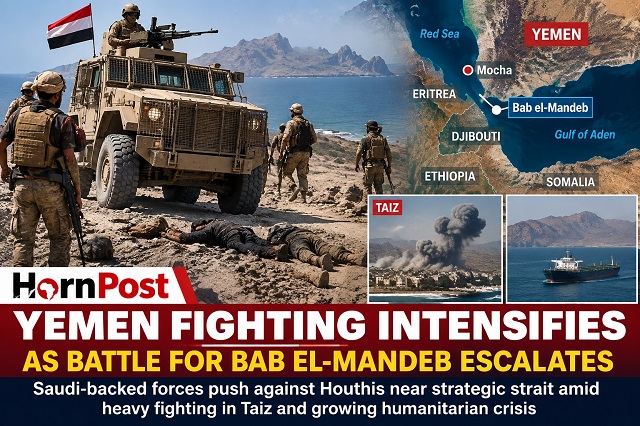
Position near Bab el-Mandeb shipping corridor
Who cares about Berbera strategically?
Israel
UAE
Ethiopia
United States
Gulf states
This makes Somaliland increasingly valuable geopolitically.
-
Impact on Somaliland’s Foreign Policy Doctrine
Historically Somaliland focused heavily on:
Ethiopia relations
UAE economic engagement
Taiwan diplomatic partnership
Taiwan remains an important partner.
Israel partnership expands foreign policy diversification.
New diplomatic architecture:
Somaliland + Taiwan + UAE + Israel
This creates a new bloc of strategic partnerships outside traditional African diplomatic channels.
Regional competition:
The Horn of Africa is increasingly crowded with competing powers:
Turkey, UAE, China, United States, Ethiopia, Egypt and Gulf powers.
The Somaliland–Israel Strategic Cooperation Declaration could represent a historic turning point.
For Somaliland:
Diplomatic legitimacy gains
Security modernization
Economic opportunity
Increased geopolitical relevance
For Israel:
Red Sea strategic access
New regional security partner
Expanded East African influence
Maritime security cooperation
Bottom Line
This is not simply a diplomatic agreement.
It may represent the emergence of Somaliland as a new strategic actor in one of the world’s most contested geopolitical corridors — the Red Sea and Horn of Africa region.
If implementation follows declaration, this could reshape regional diplomacy for years.
Prepared by:
Horn post staff
info@hornpost.com
www.hornpost.com
Hargeisa, Somaliland