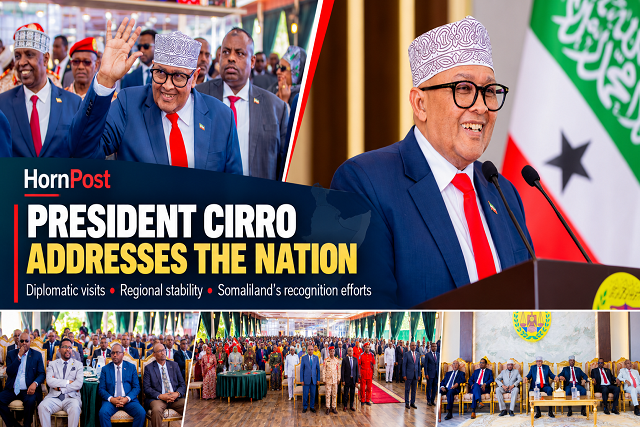
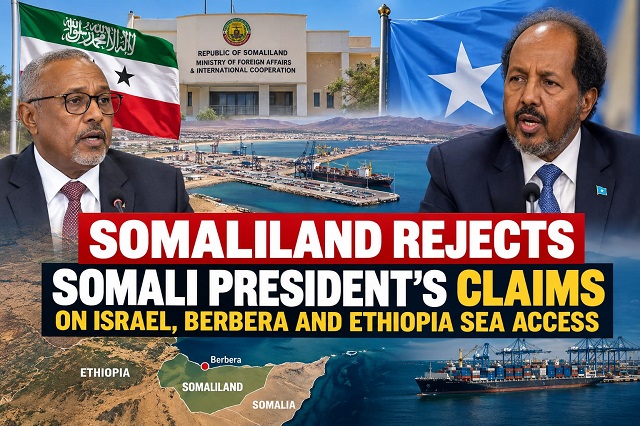
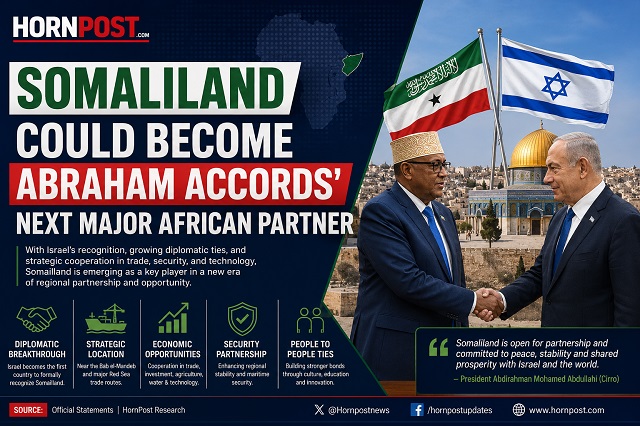
HARGEISA, Somaliland (HornPost) Somaliland is emerging as a potential major African partner in the Abraham Accords after Israel recognized Somaliland and the two sides expanded diplomatic, economic and security ties.
Somaliland is emerging as a potential major African partner in the Abraham Accords as its diplomatic and economic relationship with Israel expands following Israel’s formal recognition of Somaliland as an independent and sovereign state in December 2025.
The development has placed Somaliland at the center of a broader diplomatic discussion over the future of the Abraham Accords in Africa, particularly as Israel and Somaliland seek to deepen cooperation in areas including agriculture, water management, technology, health, energy, trade and security.
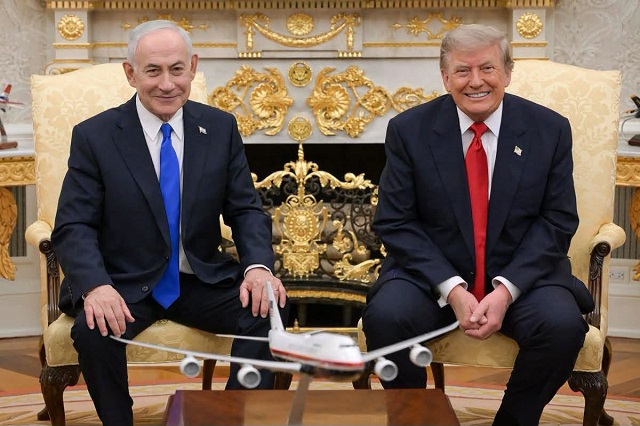
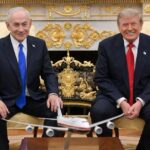
Israel became the first country to formally recognize Somaliland on December 26, 2025, establishing full diplomatic relations with Hargeisa. Israeli Prime Minister Benjamin Netanyahu described the decision as being made in the spirit of the Abraham Accords, while Somaliland President Abdirahman Mohamed Abdullahi said Somaliland would join the framework and promote cooperation, stability and mutual prosperity.
The Abraham Accords were launched in 2020 to normalize relations between Israel and several Arab countries, beginning with the United Arab Emirates and Bahrain and later expanding to include other states.
Somaliland’s potential role would represent a significant geographic expansion of the framework into the Horn of Africa.
Diplomatic ties move rapidly
Relations between Somaliland and Israel have developed at a rapid pace since the December recognition.
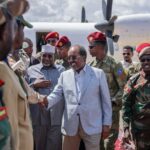
In June 2026, President Abdullahi made his first official state visit to Israel, where he met senior Israeli officials and participated in diplomatic and economic engagements.
During the visit, Somaliland formally opened its embassy in Jerusalem, a move described by Israel’s Knesset as an important step in the development of bilateral relations. The Knesset also confirmed that President Abdullahi’s visit was the first state visit by a Somaliland president to Israel.
Israeli President Isaac Herzog also hosted Abdullahi during the historic visit, highlighting the potential for cooperation between the two sides in areas including maritime security, economic development and technology. Herzog said both countries had an interest in regional security and protecting maritime freedom.
The diplomatic infrastructure has continued to expand, including the appointment of ambassadors and the establishment of formal government-to-government channels.
Why Somaliland matters to the Abraham Accords
Somaliland’s strategic position could make it particularly important to any effort to expand the Abraham Accords into Africa.
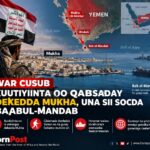
Located along the Gulf of Aden near the Bab el-Mandeb, Somaliland sits close to one of the world’s most important maritime corridors connecting the Red Sea with the Gulf of Aden and the Indian Ocean.
Its Berbera port and broader transport infrastructure have also increased international interest in the territory as a potential trade and logistics gateway to the Horn of Africa and wider African markets.
For Israel and potential partners, closer engagement with Somaliland could therefore have implications extending beyond bilateral diplomacy.
Maritime security, commercial shipping, port logistics, counterterrorism cooperation, renewable energy and digital technology could all become areas of future cooperation.
A recent analysis published by The Times of Israel argued that Somaliland could serve as an African test case for the Abraham Accords, particularly if diplomatic relations develop into practical cooperation in agriculture, water, health, digital government, renewable energy, education and port logistics.
Economic cooperation could be the next phase
While diplomatic recognition has been the most significant development, economic cooperation could become the central pillar of the emerging relationship.
Somaliland has sought foreign investment in agriculture, livestock, water infrastructure, energy, healthcare, technology and natural resources.
During his June visit to Israel, President Abdullahi described Somaliland as open to Israeli investment and highlighted opportunities in agriculture, water management, renewable energy, healthcare and cybersecurity.
Israel, meanwhile, has extensive expertise in agricultural technology, water management, irrigation, renewable energy and cybersecurity — sectors Somaliland considers important to its economic development.
If those projects materialize, the Somaliland-Israel relationship could provide the Abraham Accords with a stronger development-oriented dimension in Africa.
Security and the Red Sea
Security is another important component of the emerging partnership.
The Horn of Africa has become increasingly important to international governments because of instability around the Red Sea, attacks on commercial shipping and wider geopolitical competition in the region.
Israel and Somaliland have expressed interest in strengthening security cooperation. However, Somaliland has publicly rejected reports that Israel is negotiating to establish a military base in Somaliland.
Somaliland Defense Minister Mohamed Yusuf Ali told Reuters in June that there was no Israeli military base or Israeli military presence in Somaliland, while acknowledging Israeli assistance with training for some Somaliland police and military personnel.
This distinction is important as speculation about possible Israeli military facilities in the Horn of Africa has generated regional controversy.
A potential African model
Somaliland’s relationship with Israel could eventually become a model for how the Abraham Accords might engage with African states beyond the original Middle Eastern framework.
Rather than focusing exclusively on diplomatic normalization, an expanded African dimension could emphasize practical cooperation in:
- Agriculture and food security
- Water management and irrigation
- Renewable energy
- Healthcare
- Digital technology and cybersecurity
- Maritime security
- Port development and logistics
- Education and vocational training
- Trade and investment
Such cooperation could also connect the Gulf, Middle East and East African economies through commercial and technological partnerships.
Regional opposition remains significant
The potential expansion of Israel-Somaliland relations is not without opposition.
Somalia strongly rejects Somaliland’s claim to independence and has condemned Israel’s recognition, arguing that Somaliland remains part of Somalia’s sovereign territory.
The African Union has also reaffirmed its position supporting Somalia’s sovereignty, unity and territorial integrity. In April 2026, the African Union Commission said it did not recognize Somaliland as an independent state and warned that unilateral recognition could affect regional stability.
That opposition means any further expansion of Somaliland’s international partnerships is likely to remain politically sensitive across the Horn of Africa.
From diplomatic recognition to strategic partnership
The question now is whether Somaliland’s stated intention to join the Abraham Accords will develop into a broader and formally structured partnership.
The evidence so far points to rapidly deepening relations: Israel’s recognition of Somaliland, the establishment of diplomatic relations, the opening of Somaliland’s embassy in Jerusalem, high-level state visits and discussions on economic and security cooperation.
However, describing Somaliland as the “next Abraham Accords country” would still be premature unless a formal accession or additional agreement is publicly announced.
What is clear is that Somaliland has positioned itself as a potential African partner within the Abraham Accords’ expanding diplomatic and economic landscape.
If cooperation continues to grow, Somaliland could become one of the most strategically significant African relationships connected to the Abraham Accords — linking Israel’s regional partnerships with the Horn of Africa, Red Sea maritime security and African trade markets.
For Somaliland, the partnership could provide new opportunities for diplomatic recognition, investment and technology.
For Israel, it could offer a strategic relationship at the crossroads of the Red Sea and Africa. And for the Abraham Accords, Somaliland could become an important test of whether the framework can evolve from a Middle East-focused diplomatic initiative into a broader platform for economic and strategic cooperation across Africa.
Prepared by:
HornPost staff
info@hornpost.com
HARGEISA, Somaliland