



HARGEISA, Somaliland (Horn post) Somaliland health authorities have confirmed cases of Dengue Fever and Rubella after conducting laboratory investigations into a wave of fever-related illnesses that recently affected communities across different parts of the country.
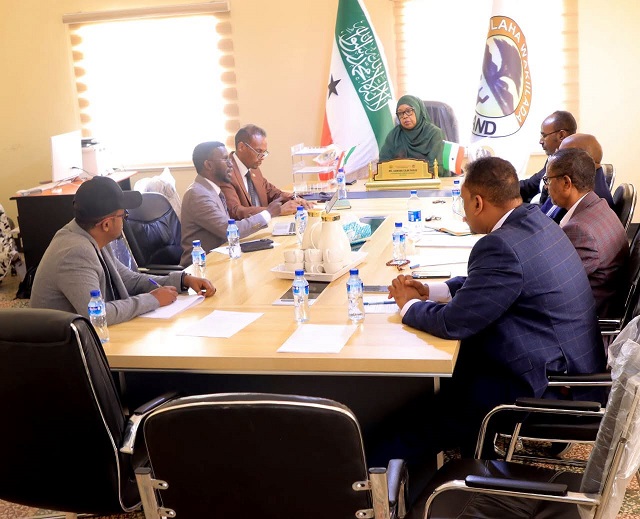
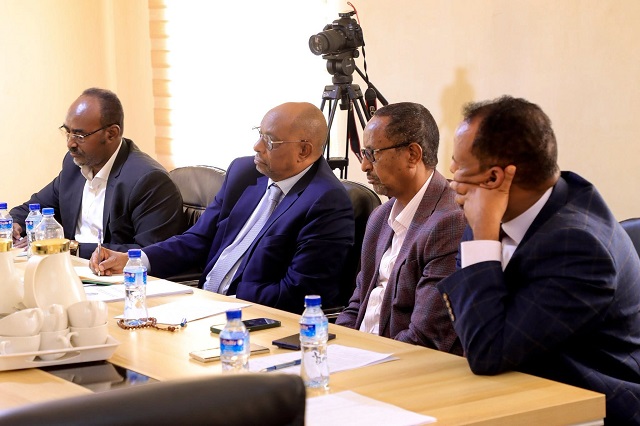
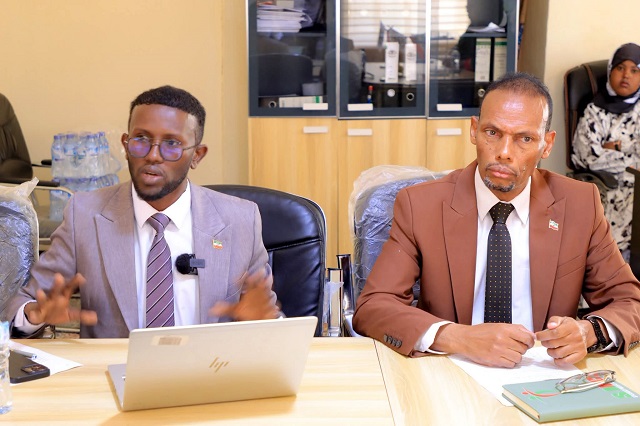
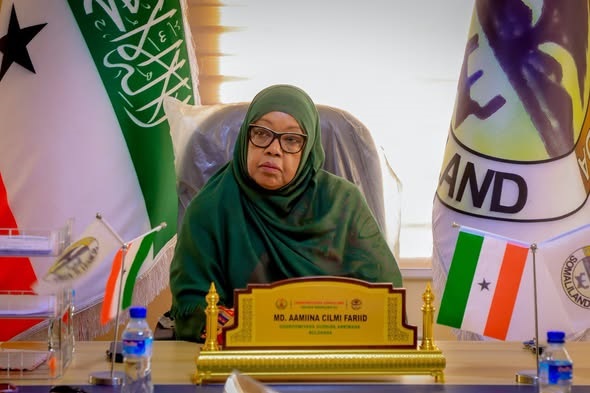
The announcement was made during a parliamentary oversight meeting between the Social Affairs Committee of Somaliland’s House of Representatives and senior officials from the Ministry of Health Development, where lawmakers received a detailed briefing on the state of healthcare services nationwide.
The meeting focused on Somaliland’s overall health sector performance, including conditions in public hospitals, maternal and child health centers (MCH), and healthcare facilities serving regions, districts and rural communities.
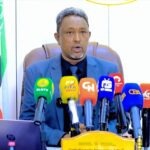
Speaking during the session, Somaliland Health Minister Dr. Hussein Bashir said widespread fever-related illnesses had affected several communities over recent months, although he noted that infection levels have now declined compared to earlier weeks.
The minister said the Health Ministry conducted investigations and sent 35 patient samples to laboratories in the United Kingdom for disease identification and confirmation.
“We sent 35 samples to the UK to confirm the source of these fever outbreaks. We have so far received results from five samples. Three were confirmed as Rubella cases, one tested positive for Dengue Fever, while one sample showed no disease,” Dr. Bashir said.
Meanwhile, the ministry’s Director General Dr. Ahmed Saki warned that Somaliland’s healthcare system is facing a severe financial crisis due to a major budget shortfall.
According to Dr. Saki, the government has currently allocated $11.148 million to the health sector, while actual operational requirements stand at approximately $60 million, leaving a funding gap of nearly $48 million.
“The current healthcare budget is $11.148 million, but we estimate the sector requires at least $60 million. There is a funding gap of $48 million, and Somaliland as a nation must determine how to secure the resources necessary for the health system to function effectively,” Dr. Saki said.
Health officials warned that the budget deficit is significantly affecting efforts to improve hospitals, expand healthcare infrastructure, procure essential medical equipment, and meet the growing healthcare needs of Somaliland’s population.
The briefing comes amid increasing concern over healthcare funding, disease surveillance, and the urgent need for long-term investment in Somaliland’s public health system.
Pictures:
Prepared by:
Horn post staff
Hargeisa, Somaliland