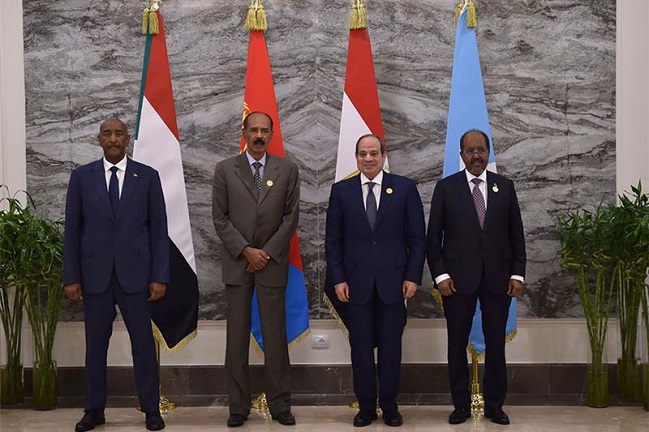
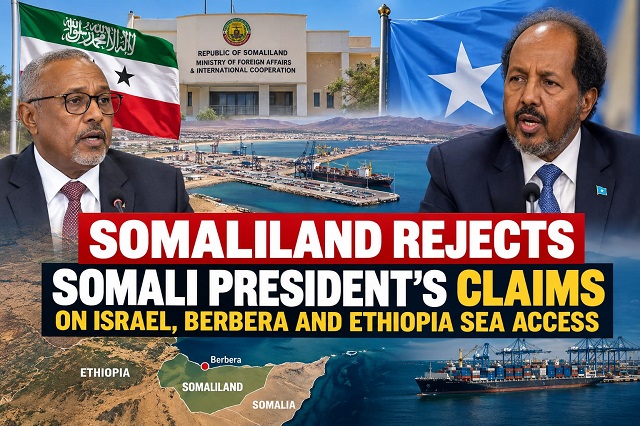
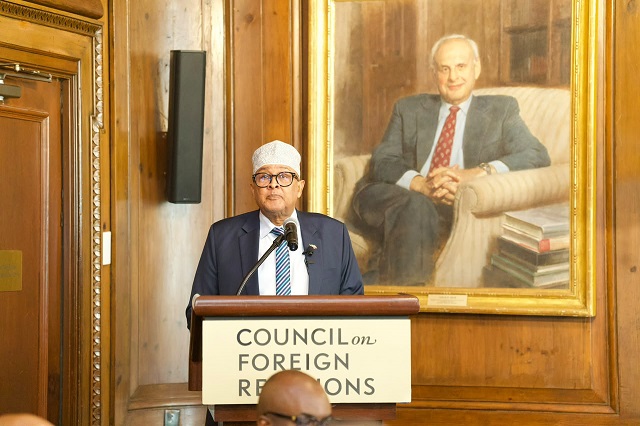
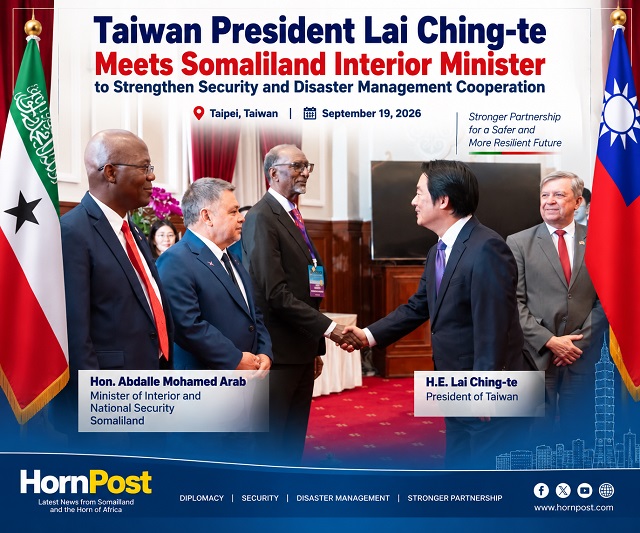
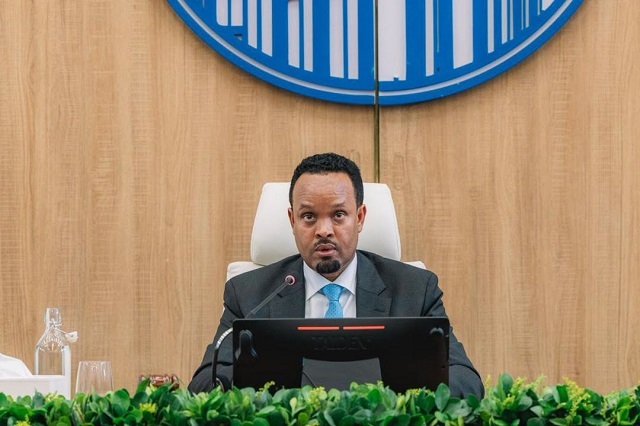
Opposition leaders, including former presidents Mohamed Abdullahi Farmaajo and Sheikh Sharif Sheikh Ahmed, along with regional administrations in Puntland and Jubaland, reject proposed electoral model and constitutional amendments, citing lack of consensus.
MOGADISHU, Somalia (Horn post) — The Federal Government of Somalia has intensified military operations against Islamist militants while advancing key political reforms, amid growing opposition from senior political leaders and regional administrations.
Government forces, supported by local militias, have escalated offensives against Al-Shabaab in central and southern regions, including Middle Shabelle and Galgaduud. Officials say the operations have disrupted militant strongholds and supply networks, though the group continues to stage intermittent attacks.
President Hassan Sheikh Mohamud has made security and governance reforms a central priority, including plans to transition to a one-person, one-vote electoral system and amendments to the provisional constitution.
However, the reform agenda is facing mounting resistance from opposition leaders, including former presidents Mohamed Abdullahi Farmaajo and Sheikh Sharif Sheikh Ahmed, as well as leaders of key federal member states such as Puntland and Jubaland.
The opposition bloc has rejected the proposed electoral model and constitutional changes, arguing that the process lacks broad political consensus and risks undermining the federal framework. They have called for inclusive dialogue and a more to agree-based approach to major national decisions.
Despite the pushback, federal authorities maintain that the reforms are essential to advancing democratic governance and ending Somalia’s long-standing indirect electoral system.
On the diplomatic front, Somalia continues to deepen engagement with international partners to support security operations, economic recovery and institutional development.
Economically, the government is pursuing fiscal reforms aimed at increasing domestic revenue while relying on continued support from international financial institutions.
Meanwhile, humanitarian conditions remain dire, with the United Nations warning that drought, displacement and food insecurity continue to affect millions across the country.
Analysts say Somalia’s trajectory will depend on balancing military gains with political consensus, as tensions over reforms risk complicating efforts to stabilize the country.
Prepared by:
Horn post staff
info@hornpost.com
www.hornpost.com