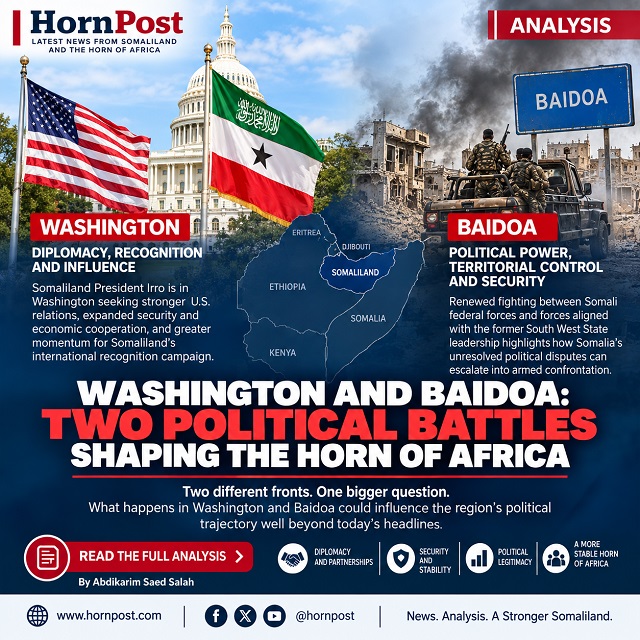
Hargeisa, Somaliland (HornPost) The Horn of Africa is facing two very different but potentially consequential political battles: one unfolding in Washington, where Somaliland President Abdirahman Mohamed Abdullahi Irro is seeking stronger U.S. ties and support for Somaliland’s international recognition campaign, and another in Baidoa, where renewed fighting has exposed deepening tensions between Somalia’s federal government and political forces aligned with the former South West State leadership.
Although the two developments are geographically and politically distinct, they reveal a broader reality across the region: the struggle over political legitimacy, security partnerships and control of strategic territory is becoming increasingly interconnected.
Washington: Somaliland Tests Its Diplomatic Strategy
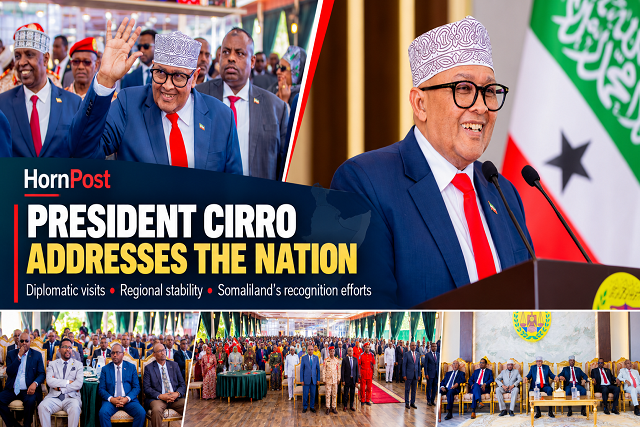
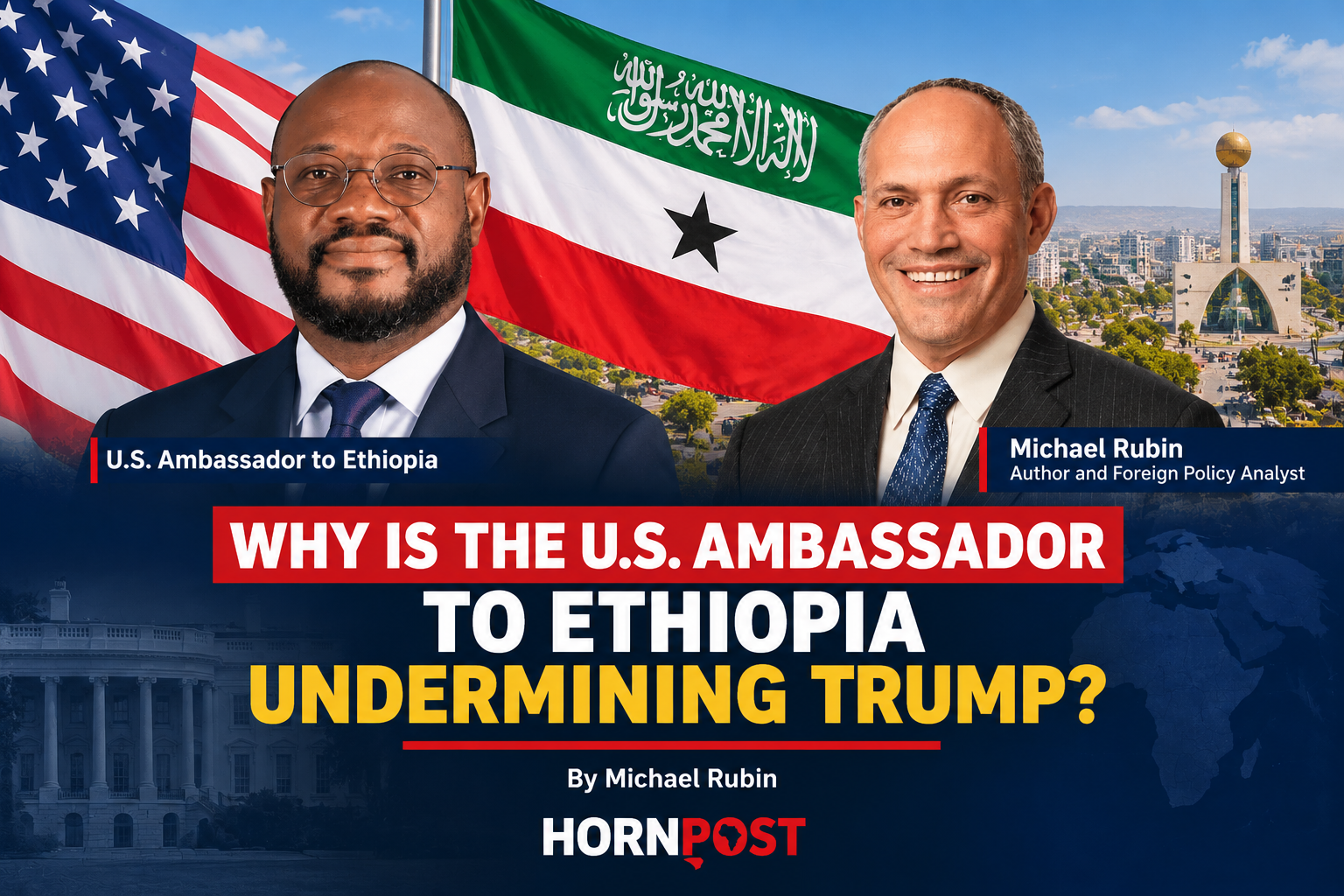
President Irro arrived in Washington on Sept. 6 for his first U.S. visit since taking office. The Somaliland presidency says the trip is focused on strengthening diplomatic, security and economic cooperation, attracting investment and advancing Somaliland’s international recognition campaign.
The timing is significant.
The visit comes months after Israel became the first country to formally recognize Somaliland, a development that Somaliland regards as a major diplomatic breakthrough, but that Somalia and other regional actors have rejected.
For Hargeisa, Washington is therefore more than another diplomatic destination. The United States has long been viewed as one of the most important potential international partners capable of changing the diplomatic equation surrounding Somaliland.
The key question is whether Irro’s visit can convert growing international attention into a concrete U.S. policy shift.
According to reports, the Somaliland delegation is expected to engage U.S. lawmakers and other officials, with discussions covering security, economic cooperation, investment and Somaliland’s international status.
But expectations should be managed carefully.
A successful diplomatic visit does not necessarily mean immediate recognition. It could instead produce increased congressional engagement, security cooperation, economic discussions or stronger political contacts.
The difference matters.
Recognition is a strategic decision. Diplomatic engagement is a process.
Mogadishu Responds
Somaliland’s Washington campaign is also being met by a countereffort from Somalia’s federal government.
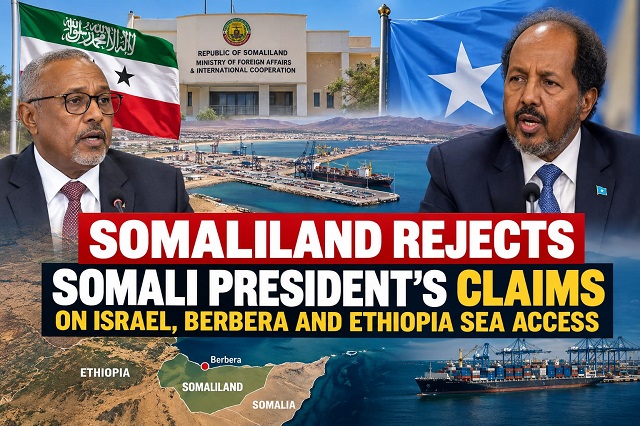
Reports indicate that Mogadishu has sent a high-level delegation to Washington as President Irro conducts his visit, seeking to reinforce Somalia’s position that Somaliland remains part of Somalia and that agreements involving Somali territory and strategic assets must go through the federal government.
This creates an unusual diplomatic contest: two Somali political positions are now competing for influence in the same American capital at the same time.
For Mogadishu, the objective is clear — prevent Somaliland’s diplomatic campaign from gaining momentum in Washington.
For Hargeisa, the objective is equally clear — demonstrate that Somaliland can engage directly with major international powers and present itself as a distinct political and security actor.
Washington therefore becomes a diplomatic arena where both sides are attempting to shape the American understanding of the Horn of Africa.
Baidoa: From Political Dispute to Security Crisis
While the diplomatic contest continues in Washington, the situation in Baidoa demonstrates the domestic security consequences of Somalia’s unresolved political tensions.
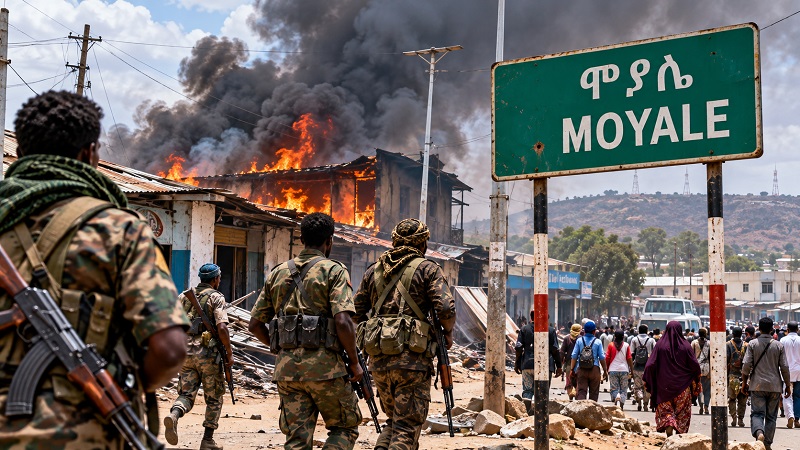
Heavy fighting broke out in and around Baidoa on Sept. 3 between Somali federal forces and militias aligned with former Southwest State President Abdiaziz Hassan Mohamed Laftagareen. The fighting caused civilians to flee and placed further pressure on an already fragile political environment in Southwest State.
The humanitarian consequences have been significant.
Bay Regional Hospital treated 71 wounded people, including women and children, following the fighting, according to the Somali Journalists Syndicate, which cited medical information from the facility.
The crisis has also hit Somalia’s media community.
Journalist Killed in Baidoa
On Sept. 7, journalist Bashir Mohamed Abdullahi, also known as Bashir Moalin, died from gunshot wounds sustained during the Baidoa clashes.
According to Somalian local media, Bashir was shot while seeking safety near his home during the fighting. He later died at Bay Regional Hospital after remaining in critical condition.
His death makes him the second journalist killed in Somalia this year, according to SJS.
The killing adds another dimension to the Baidoa crisis. It is no longer simply a confrontation between political and military actors. It is also becoming a direct threat to civilians and journalists attempting to document what is happening.
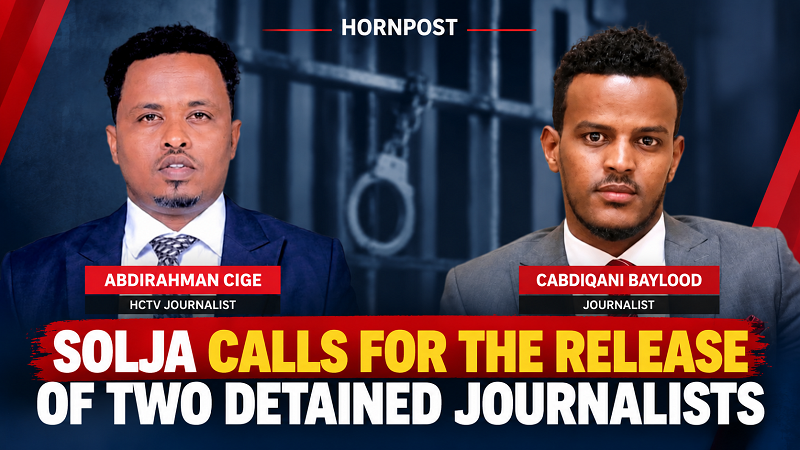
SJS has called for an independent investigation and accountability for those responsible.
Why Baidoa Matters Beyond Southwest State
Baidoa is strategically important because the conflict reflects a much larger dispute over the balance of power between Somalia’s federal government and federal member states.
The confrontation involving forces aligned with Laftagareen is therefore not simply a local security incident.
It raises questions about:
Who controls the security forces in federal member states?
How much authority should Mogadishu exercise over regional administrations?
Can political disagreements be resolved without military confrontation?
What role should international and African Union forces play?
And how can civilians be protected when political competition becomes armed conflict?
The African Union has already authorized its Somalia mission to take a more active role against forces associated with the Southwest conflict, illustrating how quickly an internal political dispute can acquire a wider security dimension.
Two Battles, One Regional Problem
At first glance, Washington and Baidoa appear unrelated.
One is about diplomacy and international recognition.
The other is about domestic political authority and armed conflict.
But both are ultimately connected to the same fundamental question:
Who has legitimate political authority, and who has the power to exercise it?
In Washington, Somaliland is attempting to demonstrate that it can act as an independent diplomatic and security partner.
Mogadishu is attempting to demonstrate that Somalia’s federal government remains the only legitimate authority representing Somali territory internationally.
In Baidoa, meanwhile, the federal government is confronting armed political opposition over who should control Southwest State.
The common threat is therefore political legitimacy.
The U.S. Faces a Complicated Horn of Africa
For Washington, these developments create a complicated policy environment.
The United States has strategic interests in the Red Sea, Gulf of Aden and wider Horn of Africa. It also has longstanding security cooperation with Somalia in the fight against al-Shabaab.
At the same time, Somaliland is positioning itself as a potential security and economic partner because of its location along the Gulf of Aden and its strategic infrastructure around Berbera. Somaliland has increasingly presented its geographic position as an asset in discussions about Red Sea security and international trade.
That makes Somaliland increasingly relevant to Washington’s broader regional calculations.
But recognizing Somaliland would also have major diplomatic consequences for Somalia, neighboring states and the wider African Union system.
Therefore, the immediate question may not be whether Washington recognizes Somaliland tomorrow.
The more important question is whether U.S.-Somaliland relations are entering a new strategic phase.
What Happens Next?
For Somaliland, the most important outcome from Washington may be whether the visit produces concrete institutional relationships rather than simply political statements.
For Somalia, the priority will be preventing further fragmentation and containing the conflict in Southwest State before it develops into a wider confrontation.
For Washington, the challenge will be balancing competing interests: Somalia’s territorial claims, Somaliland’s diplomatic campaign, counterterrorism cooperation, Red Sea security and growing competition among regional and international powers.
And for civilians in Baidoa, the immediate concern is far more basic:
security, protection and an end to political disputes being settled through violence.
The Horn of Africa is entering another period in which diplomacy and security are increasingly intertwined.
In Washington, the battle is over recognition and influence.
In Baidoa, the battle is over political authority and control.
Both could shape the region’s political trajectory long after the headlines have moved on.
Analysis | September 7, 2026
Abdikarim Saed Salah
Geopolitical Analyst | Journalist | Editor-in-Chief, HornPost.com
info@hornpost.com
www.hornpost.com
HARGEISA, Somaliland