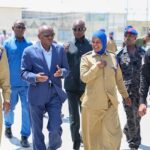
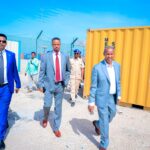
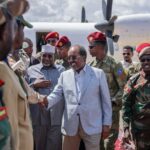
MOGADISHU, Somalia (Horn Post) — The Turkish government has sent a high-level delegation led by Deputy Director of Turkish Intelligence Ahmet Cemalettin Çelik to Somalia as political tensions and violence linked to the country’s disputed electoral process continue to intensify.
The delegation, which spent several days in Mogadishu, arrived amid growing controversy surrounding President Hassan Sheikh Mohamud’s one-year term extension and constitutional reforms, measures strongly opposed by key opposition figures and several federal member states. Critics argue that the president’s constitutional mandate has effectively expired and that any extension lacks broad political consensus.
Turkey Engages Somalian Leaders as Election Crisis Deepens and Mogadishu Clashes Displace Thousands:
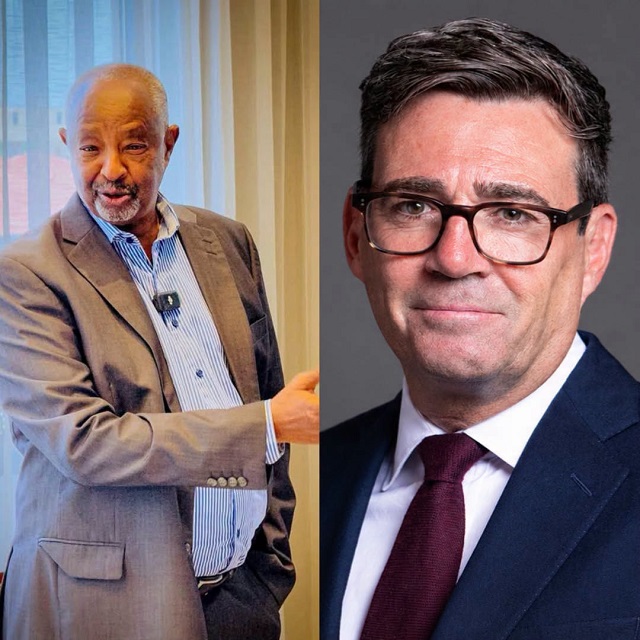
During their visit, Turkish officials held separate meetings with former Somali President Sharif Sheikh Ahmed, who played a central role in establishing modern diplomatic relations between Turkey and Somalia, as well as former Prime Minister Hassan Ali Khaire, one of the leading opposition figures challenging the government’s electoral agenda.
Khaire recently became embroiled in a tense confrontation after clashes reportedly erupted in Mogadishu’s Hawlwadaag district between government security forces loyal to President Hassan Sheikh and personnel assigned to protect the former prime minister.
According to sources familiar with the discussions, Turkish officials sought to reassure opposition leaders that Ankara remains committed to supporting all Somalis and is not taking sides in the country’s escalating political dispute. The delegation emphasized that Turkey’s engagement in Somalia is aimed at promoting stability and national dialogue rather than backing any specific political faction.
The Turkish delegation also met with senior officials from President Hassan Sheikh’s administration, urging all parties to resolve electoral disagreements through dialogue and negotiation. The talks focused on easing tensions surrounding constitutional amendments and the electoral framework, issues that have fueled Somalia’s latest political crisis.
The outreach comes after violent confrontations in Mogadishu left at least 13 people dead and 189 others injured, according to figures released by the United Nations refugee agency, UNHCR. The agency also reported that more than 12,500 people were displaced by the fighting, highlighting growing concerns over the humanitarian impact of the unrest.
Opposition leaders involved in discussions with the Turkish delegation are also viewed as representing the interests of the regional administrations of Puntland and Jubaland, both of which oppose the constitutional changes and the disputed extension of presidential authority.
Turkey remains one of Somalia’s closest international partners, maintaining significant investments in infrastructure, security cooperation, humanitarian assistance and economic development. Ankara’s latest diplomatic engagement underscores its concern over the deteriorating political climate and its interest in preventing further instability in the Horn of Africa nation.
Prepared by:
Horn post staff
info@hornpost.com
www.hornpost.com
MOGADISHU, Somalia